Wealth is a measure of what you give, not what you accumulate
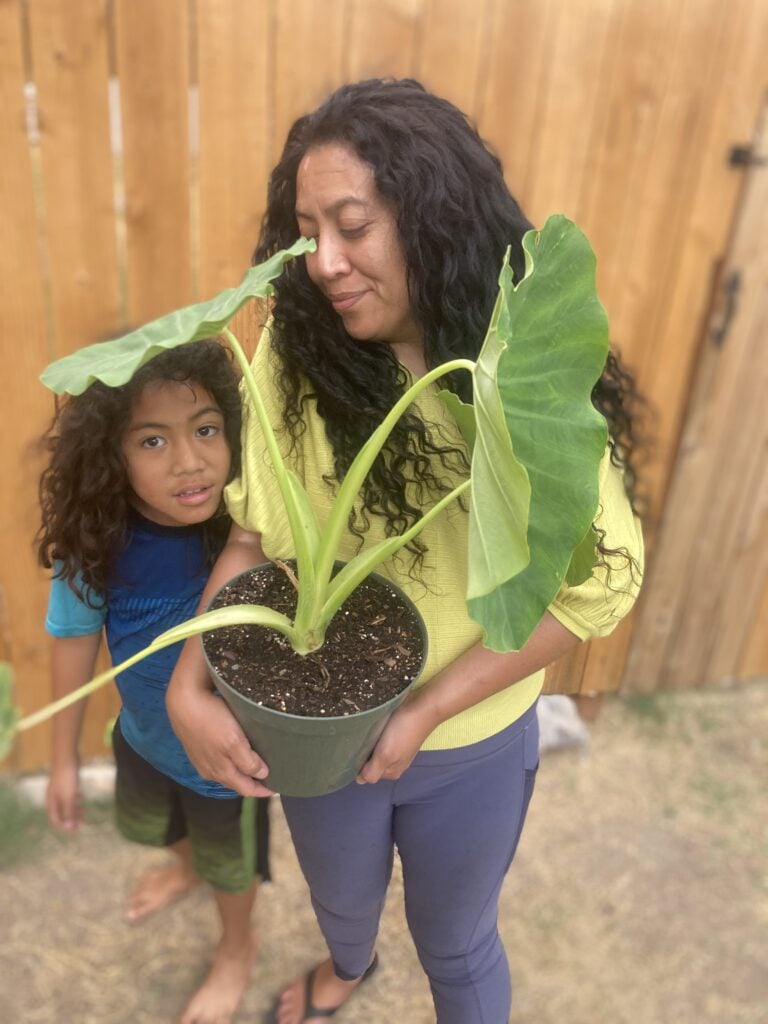
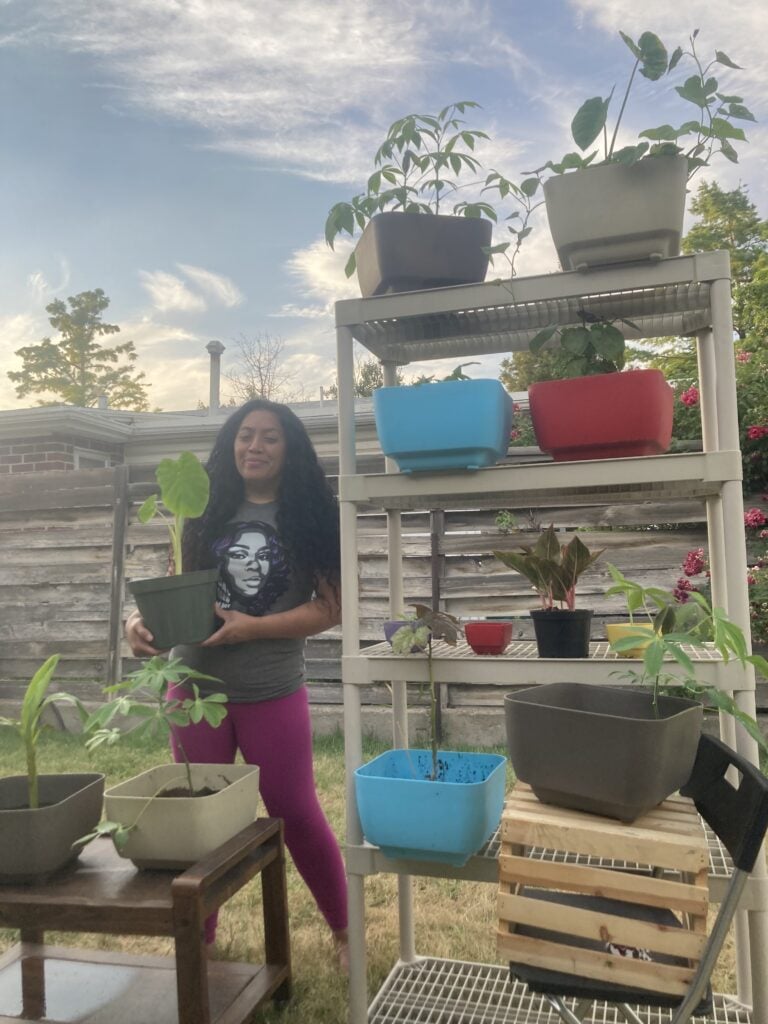
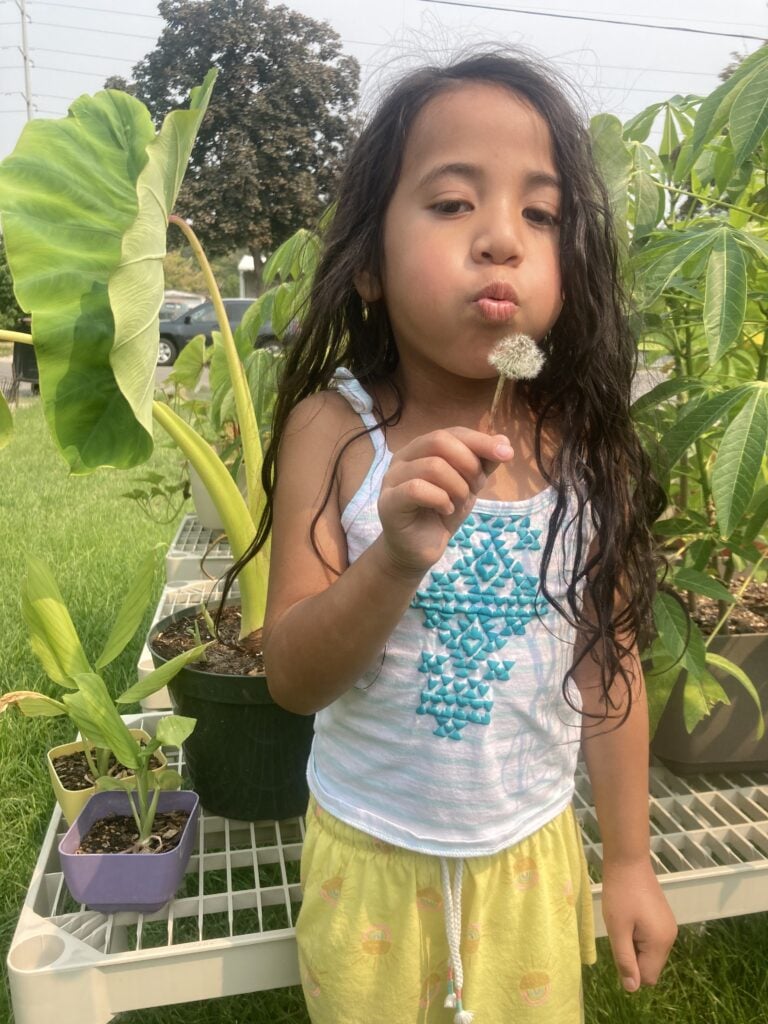
Si’oto’ofa atu — Afā greets you in her indigenous tongue.
Afā was born in Tonga, raised by her grandmothers, their gardens, and with her toes in the mud. Her grandmothers were traditional healers who raised her at their feet. They taught her how to gather medicinal plants and showed her that healing is more than treating illness. When patients or relatives visited, they listened deeply: Were you injured? Do you have a healthy relationship with your partner, parent, or child? Healing encompassed a holistic view into the patient’s life beyond the disease. Afā recalls that her grandmothers never asked for payment, yet the next day they would find a basket of yams or fish at their door.
Afā carries around that awareness and consideration for others. She is both the soft, warm morning sun after a cold, destructive all-night storm and an unstoppable force of nature. She carries a protective, motherly disposition that she wafts like a comforting blanket over the most vulnerable. She is a fierce defender of her neighborhood and a firm believer that change is possible.
In her free time, you will find her caring for a sick neighbor or helping another community leader translate their message. She brings her kids along, modeling the spirit of service. Her words have an authentic core, blending vivid examples from her life with an unwavering sense of what is fair and just. I witnessed one of her speeches: her message carried both such a resolute tone and a striking touch of vulnerability that sent ripples through the audience—so much so that it echoed in several inboxes the next morning.
Afā’s generosity and spirit of service was also modeled by her father. When the family migrated to Utah, he tore up the lush green lawn of their trailer court and planted a garden to feed anyone who needed a meal. In Tonga and other Indigenous cultures, Afā explains, wealth is measured not by what you have, but by what you give. For her, one of the most meaningful ways to show love is through sharing food.
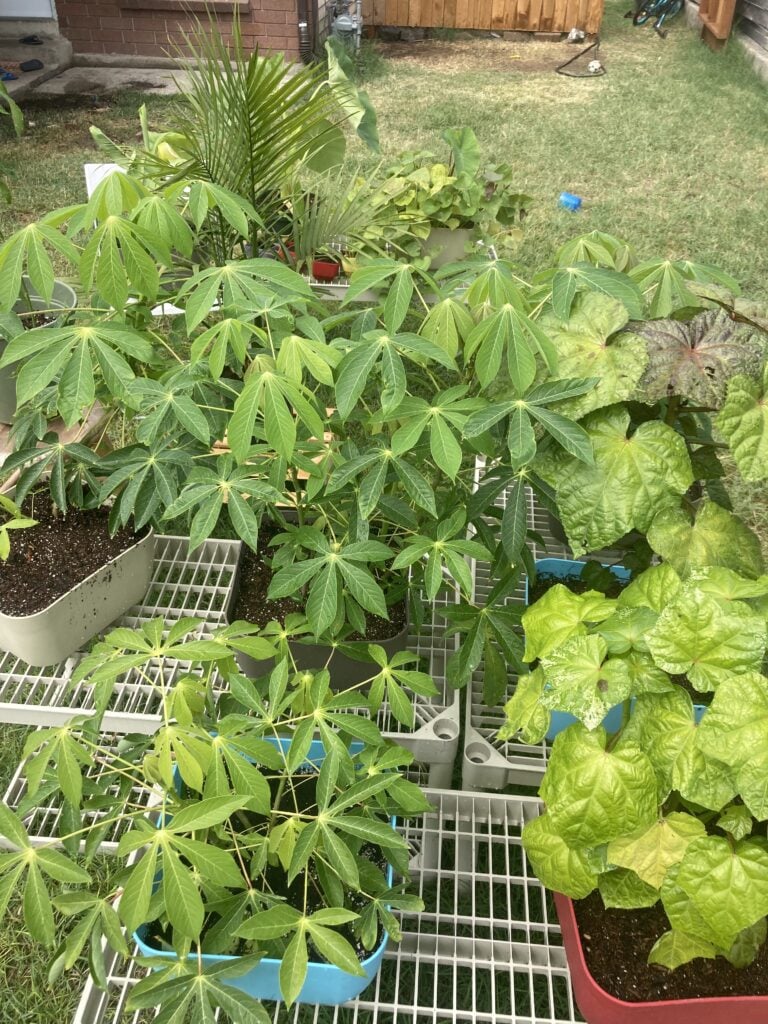
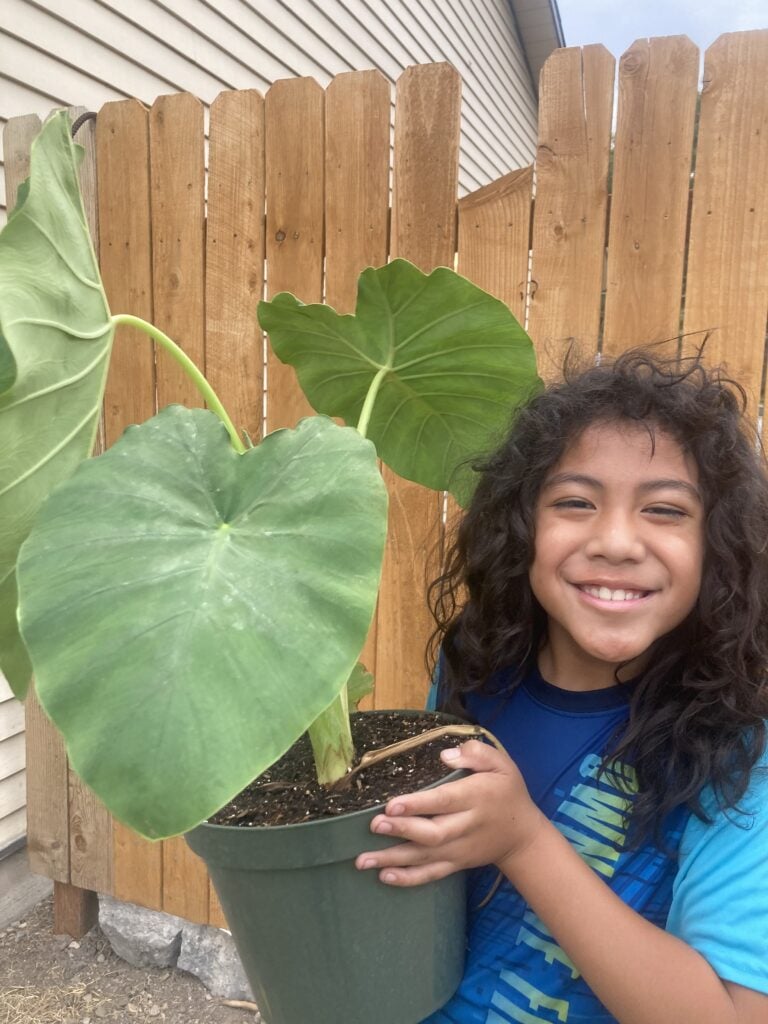
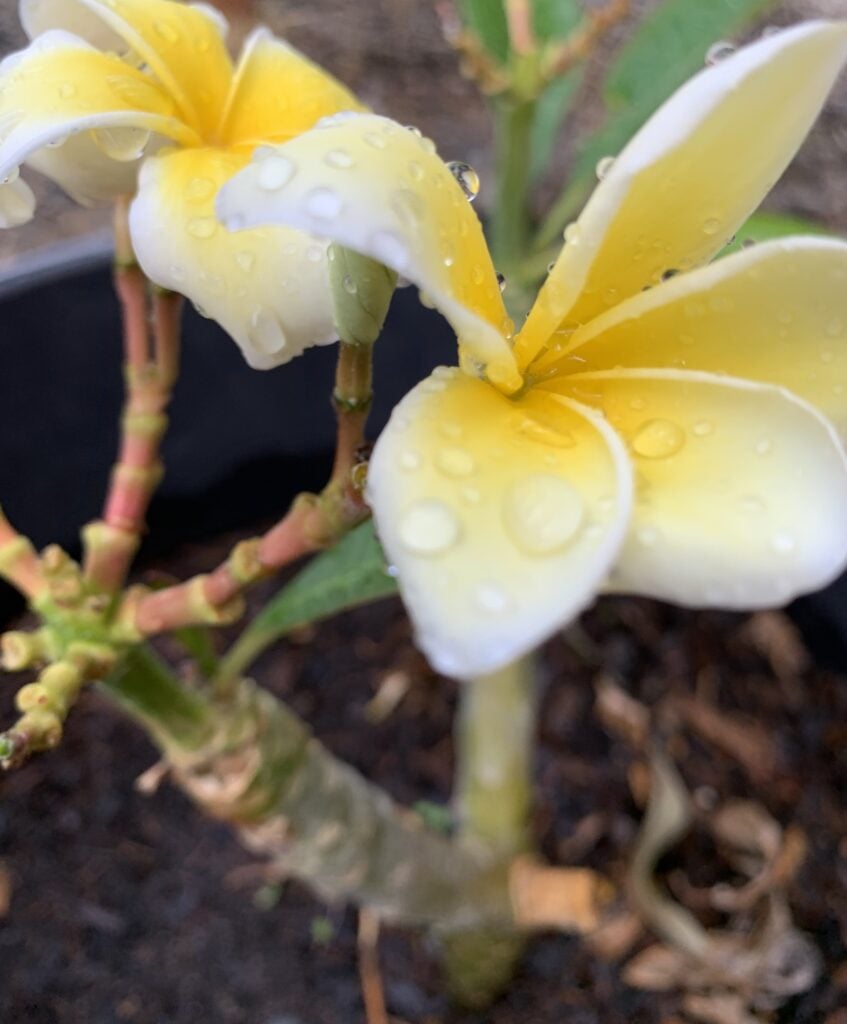
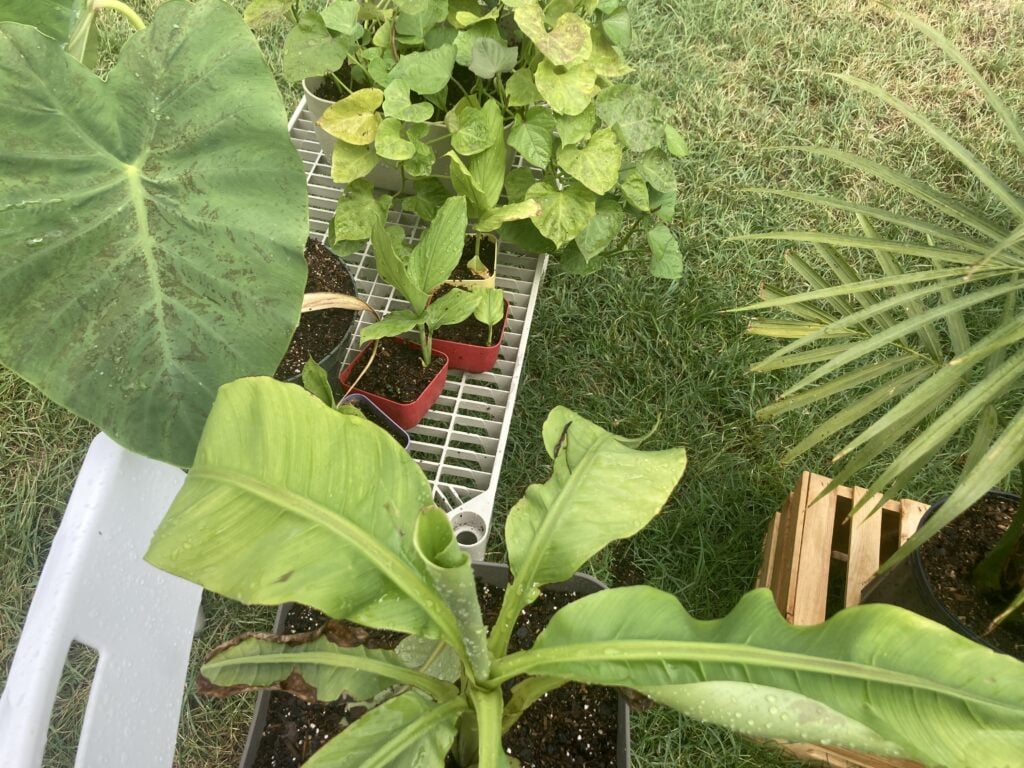
These early lessons—about generosity and the power of plants as healers, as food, and as strengtheners of social bonds—shaped Afā’s vision of a world enriched by our relationships with the land and our community. She became a gardener and storyteller and co-founded ‘Aikona with her father. ‘Aikona is an Indigenous-centered gardening and storytelling nonprofit that grows plants from Samoa for food, regalia, and medicine.
Her work has deepened her belief in the transformative power of plants. Through watering and weeding, she has seen young people shift their dreams—from wanting to be football players to aspiring scientists and farmers. For Afā, a harvest is never an individual act but one with the sun, Ancestors, wind, children, rain, teens and elders. Sitting together to feast on that harvest is more than a meal—it is a celebration: a celebration of the seed’s journey from distant homelands to the dinner table, and an honoring of the gardener, the cook, and the loved ones gathered around.
Afā’s long-term vision is to “collectively grow spaces on the West Side—not just to create green areas, but to take up space; a place for the community to come outside and speak to one another.” Yet, without permanent land, she has had to relocate her plants repeatedly. Today, ‘Aikona seeks land to grow Oceania Indigenous plants with the children of the West Side—so they can keep their toes in the mud and remember neighborhoods with more gardens than food banks.
Author: Afā Aikona
Editor: Carolina Gomez-Navarro