Courage is stepping into spaces that never picked you first
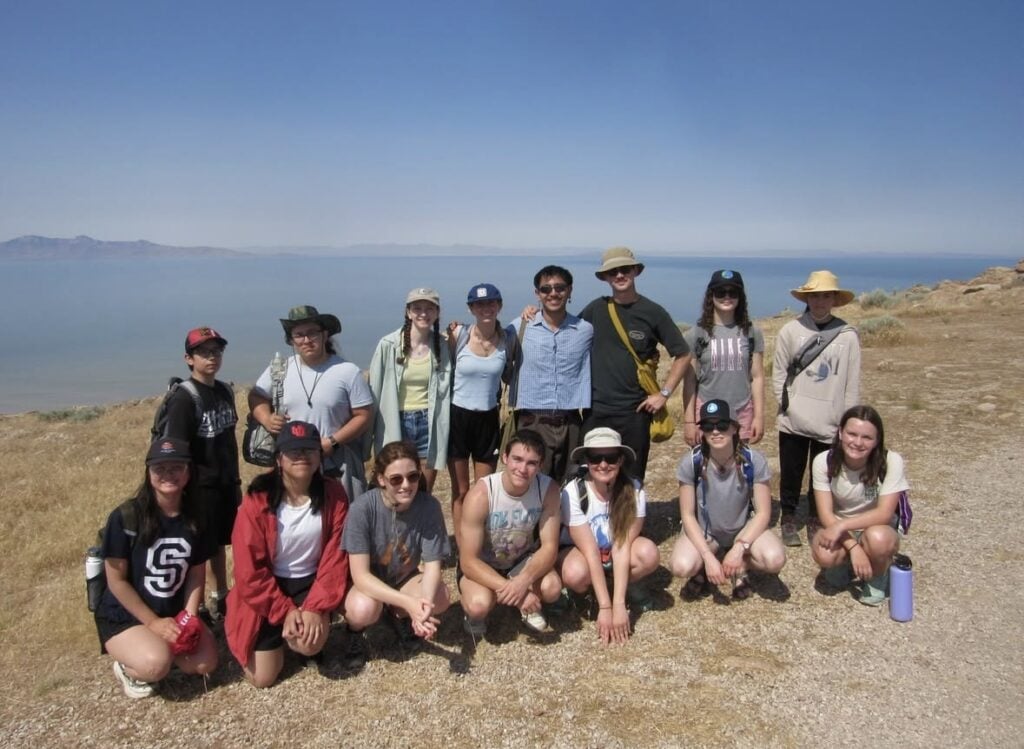
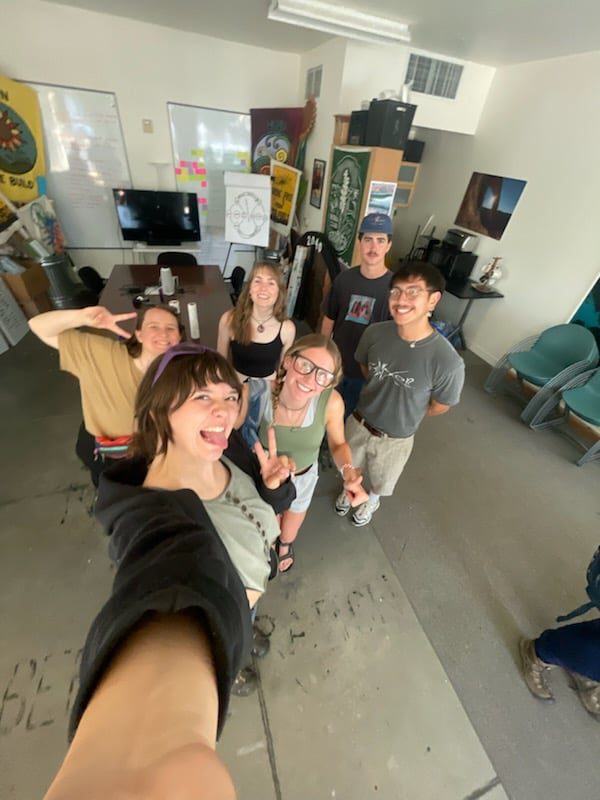
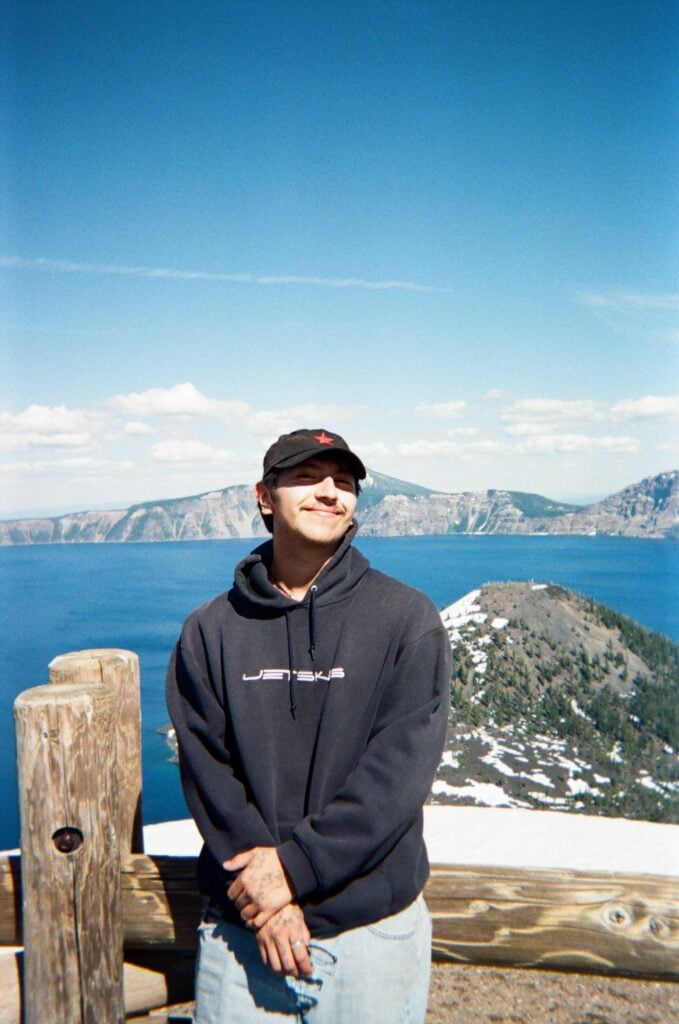
Alan was sixteen when he first stepped into his high school’s Environmental Club. There, he learned that the story of Salt Lake City’s West Side was not an accident, but the result of decades of decisions that pushed certain communities into harm’s way. Maps, policies, and invisible lines had shaped the air he breathed and the streets he walked.
Curious by nature and an avid reader, Alan devoured the history he was never taught. Growing up on the West Side, the son of Mexican parents, he carried these truths not as abstract facts but as lived experience. And so he began showing up—quietly, steadily—in conversations about environmental justice.
But entering those rooms came with its own lesson. The people speaking rarely looked like him. They spoke earnestly but from a distance, discussing injustices they themselves had not endured. And when Alan pulled up a chair, the message was often gentle but unmistakable: “You can be the intern. You can sit here and listen.”
What they didn’t realize was that Alan already knew the stories they were trying to piece together. He had lived them. His insight came from memory, not textbooks. And slowly, he grew into the confidence of someone who understands the worth of his own voice.
Today, that quiet certainty rests beneath a calm, respectful, and gentle demeanor. He enters a room so quietly that you might not even notice him at first. He speaks sparingly, only when invited. But when he does, his words land with a surprising depth, like someone twice his age. Beneath that gentle exterior burns a steady fire: a passionate commitment and a fiery determination to make things right.
When Alan first joined Utah Youth Environmental Solutions (UYES), they were at the cusp of the passage of HCR004, the Concurrent Resolution on Economic and Environmental Stewardship—the first acknowledgment of climate change by the State of Utah. Later, as the coordinator of UYES, he helped guide the Salt Lake City School District in adopting a 100% Clean Energy Resolution.
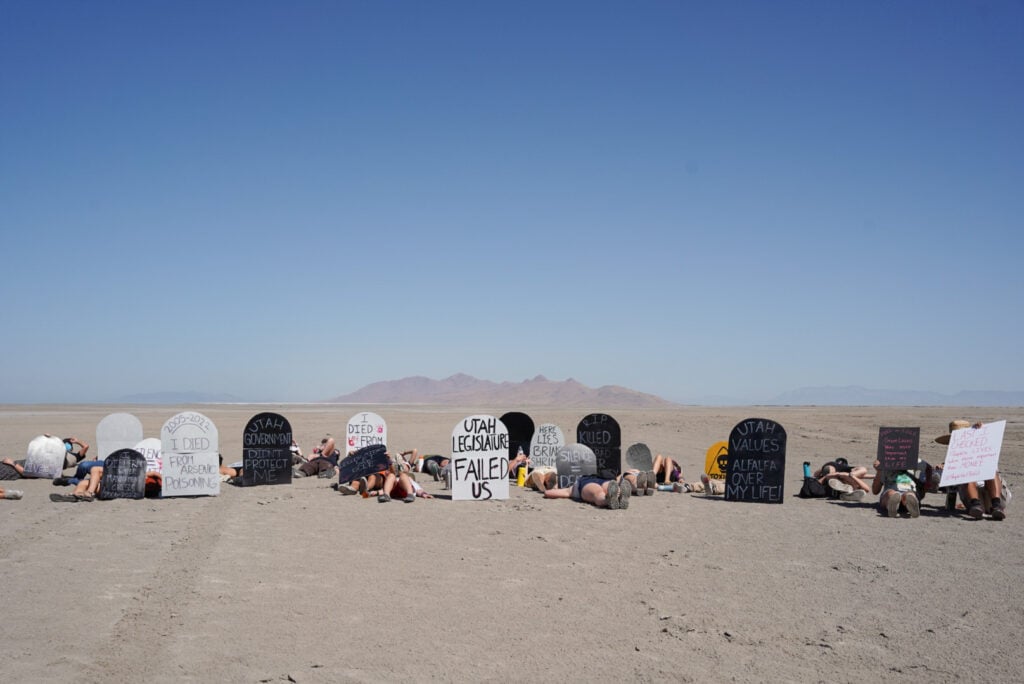
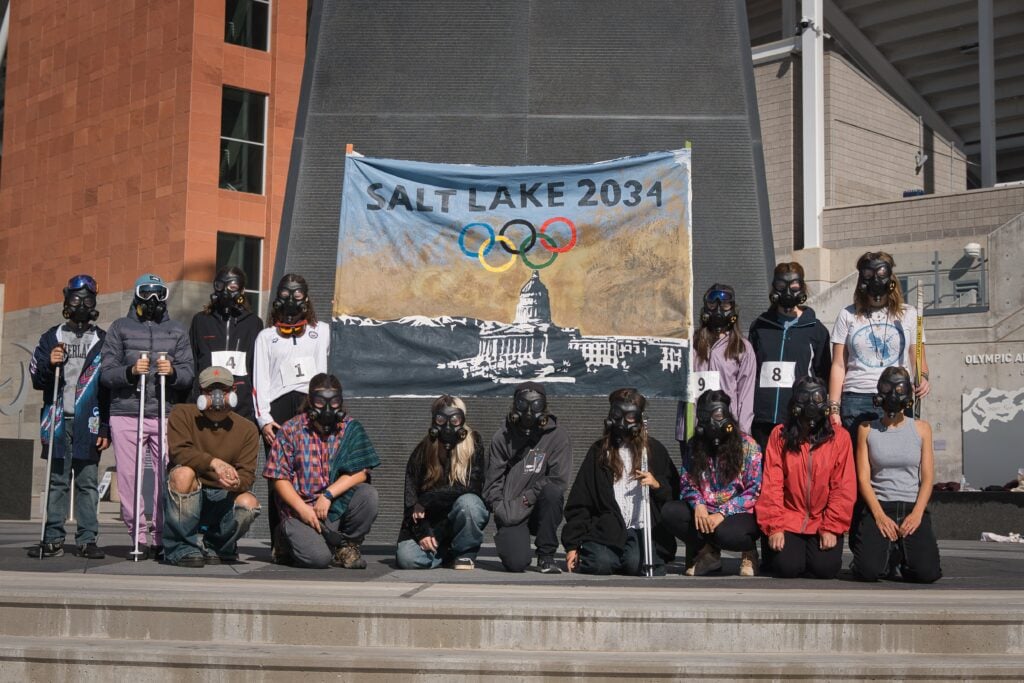
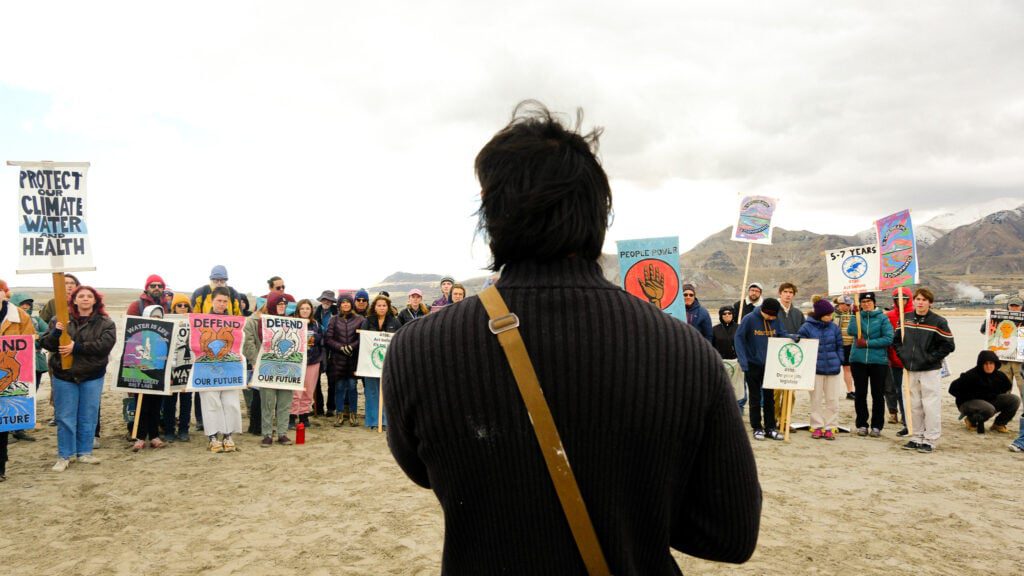
More recently, responding to growing fear and urgency among youth about the Great Salt Lake—its shrinking shoreline, toxic dust, and threats to wildlife— he helped organize a protest. It was a message to Utah’s leaders: time is running out, and inaction is stealing the future from those who will have to live with the consequences.
Changing the world begins with understanding it. And so UYES built a place-based environmental justice curriculum—teaching young people about the burdens they are inheriting and the power they hold to challenge them. Through education, legislation, and direct action, youth learn to imagine alternative futures, cultivate organizing skills, and design initiatives rooted in justice and hope.
Alan’s message for young people on the West Side is simple: step into spaces where you weren’t picked first and stay curious about how the East–West divide in Salt Lake City came to be. Alan has had the audacity to reimagine this city—to relearn and unlearn, to love himself, and to keep believing in his own power even when others overlooked him. He continues to steward community and to remind us that change is not a matter of age, but of willingness: the willingness to listen to voices from the margins, the sidelines, and the back of the room—and to recognize their wisdom.
Author: Afā Aikona
Editor: Carolina Gomez-Navarro