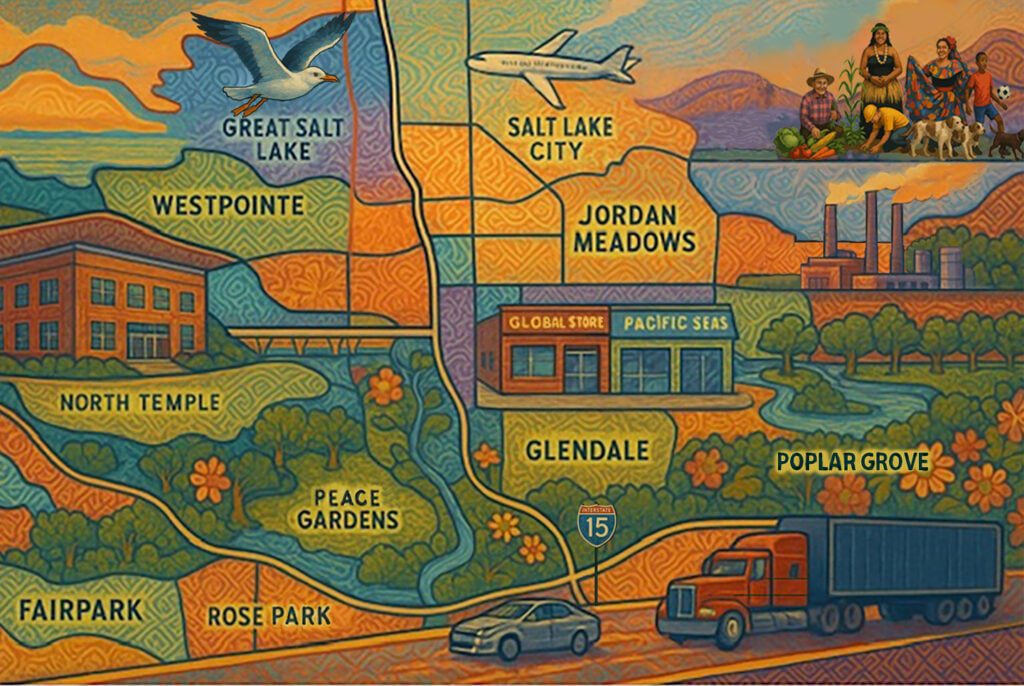
Artwork designed by Bill Louis and commissioned by the EJRC. Bill is a prominent Utah muralist known for vibrant, culturally rich works that reflect his diverse heritage and highlight themes of community and diversity.
Explore the issues facing our community:
Food Access
We know good food. Our evenings smell of carne asada, chicken adobo, fried plantains, and fufu. Flavor is our shared language, a thread running through every home on the West Side. This place—Utah’s most racially and ethnically diverse community—has long been a landing place for newcomers and a crossroads of cultures.
But access to healthy food has not followed that richness. Food insecurity is higher here than the national average. Diabetes is rising too, especially among minority families, with rates nearly double the national level. We see it in real time: we didn’t use to suffer from diabetes. Now too many of us do.
How did we get here? Our farmlands shrink as development grows, and the projects that promise the highest return often push food aside. Yet a thriving city depends on its ability to nourish its people—to grow, buy, and share fresh food close to home. When our food comes from places we can walk to, tend, or recognize, we are stronger and less at the mercy of distant markets.
So imagine this: corn, beans, squash, taro, sweet potatoes, sesame, and lentils spilling out of front yards, filling empty lots, growing on every block. Imagine markets bursting with fresh food, outnumbering fast-food signs at every turn.
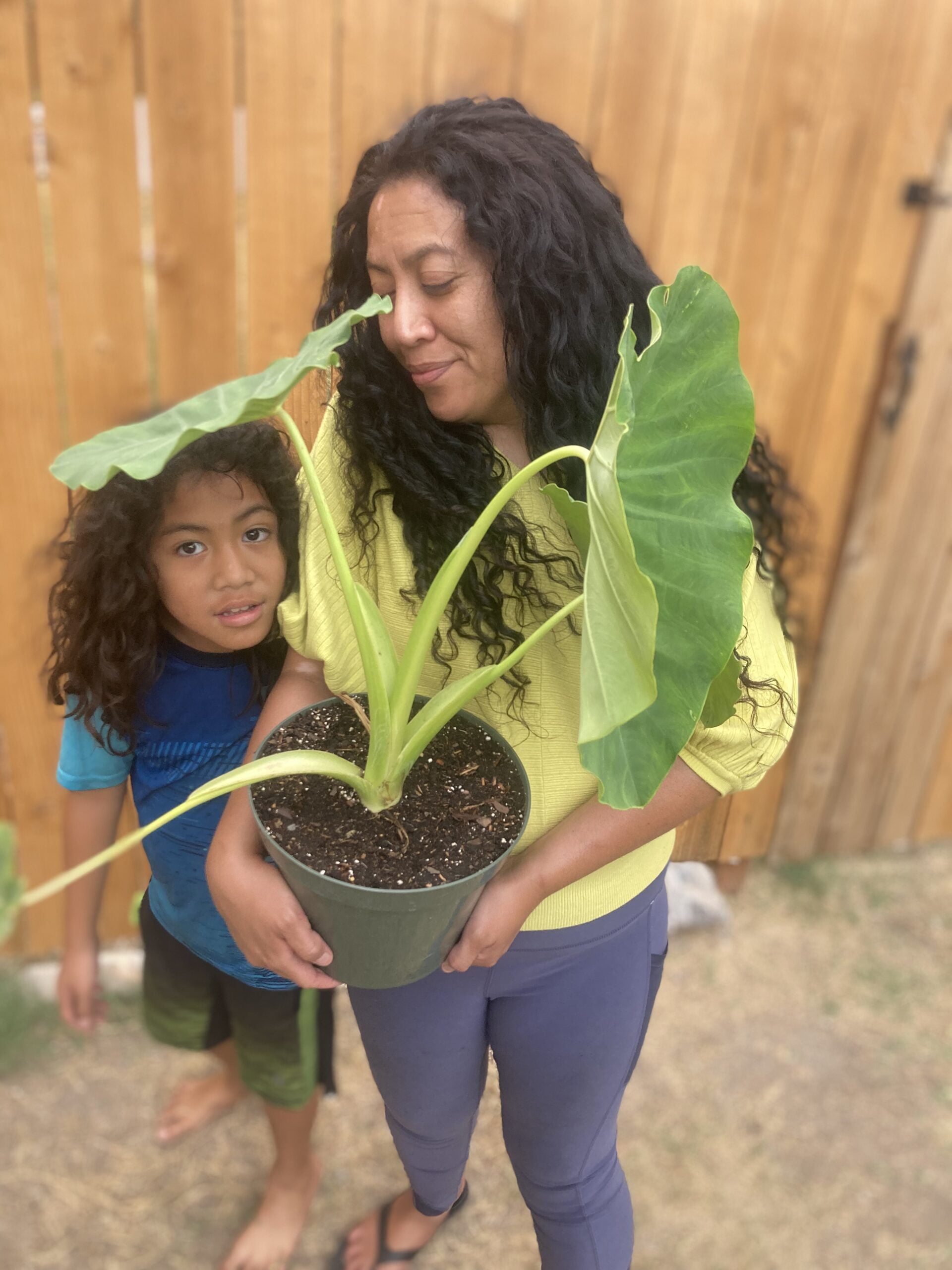
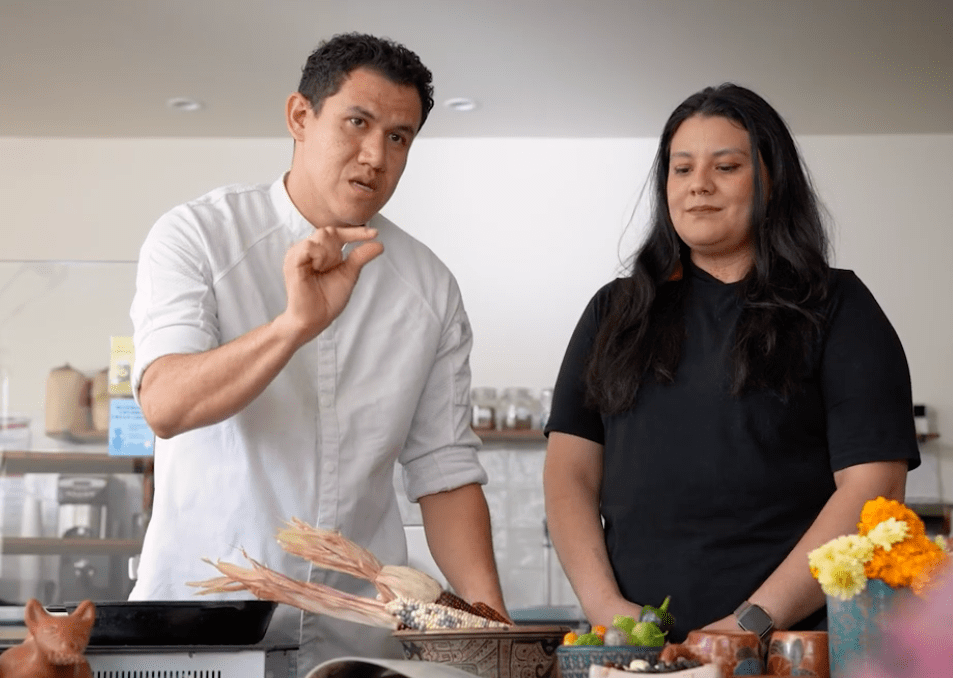
Some neighbors are already planting that vision. Jean Mendieta and Evelyn Cervantes founded Proyecto Xilonen, embracing Mesoamerican food traditions by growing ancestral crops and reimagining traditional dishes. Through their work with the Dual Immersion Academy in Glendale, they pass this knowledge to children—planting in them the hope that these traditions, and this vision, will one day blossom into their future.
We all know someone who works under the sun. Our valley is getting hotter, and we feel it—heat that is no longer just uncomfortable but dangerous. West Side hospitals are seeing more heat-related emergencies than ever. The lack of shade trees and green parks, combined with so much pavement, means the West Side swelters more than most. Some of us don’t have air-conditioned homes, so we wander the mall at the hottest hour. Other times, kind neighbors let us into their cool homes until the sun eases.
Some of us get a good siesta out of it, and our families build memories piled up by breezy windows on summer nights. We take the long route so our kids can climb the big old tree at the International Peace Gardens. This is our beloved neighborhood. Imagine if it were built for us—humans, not cars. Tree shade prioritized over concrete. Green space within ten minutes of every home. Blossoming paths inviting walkers and cyclists.
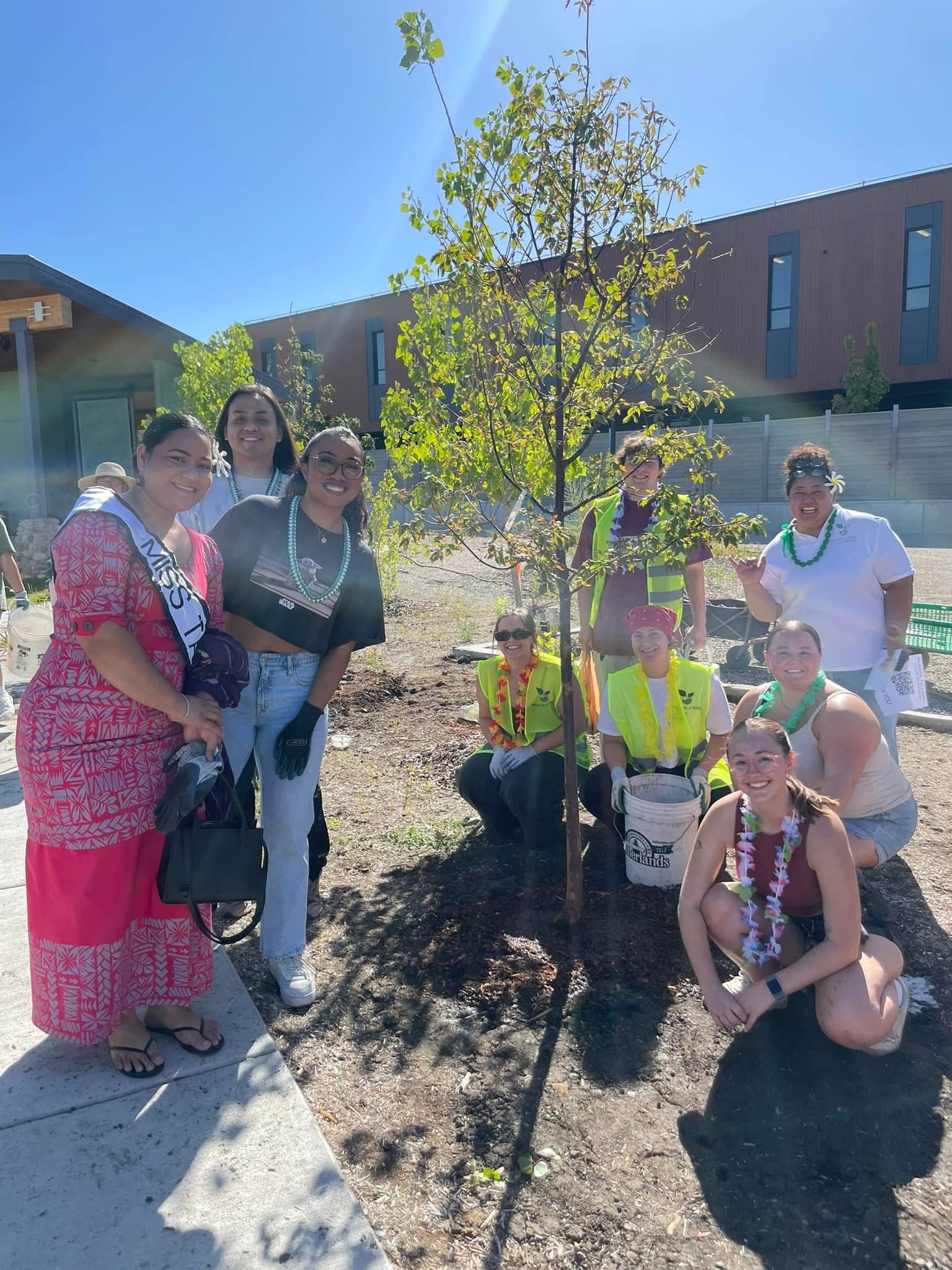
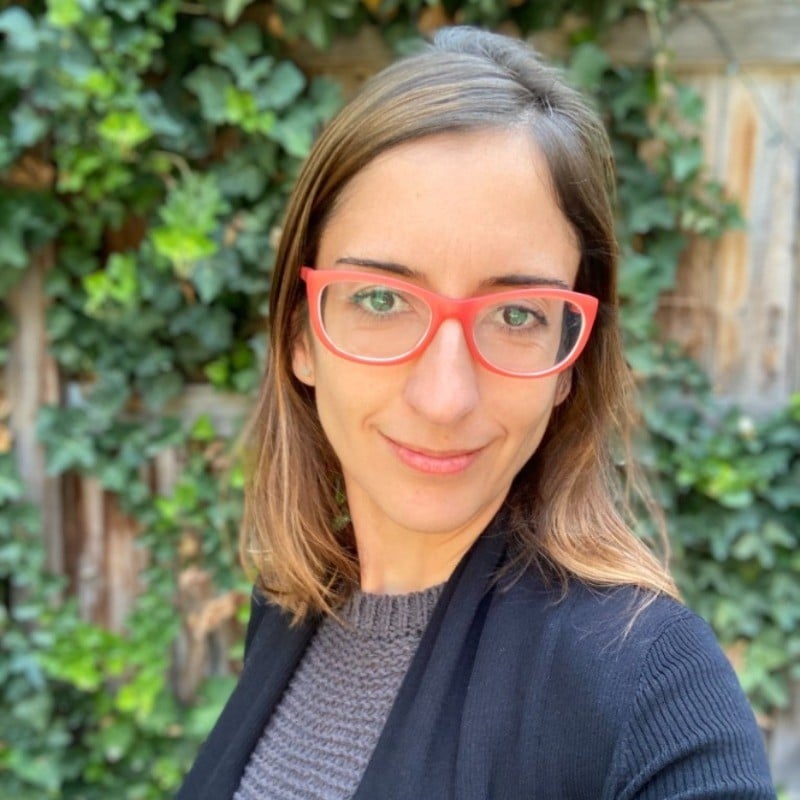
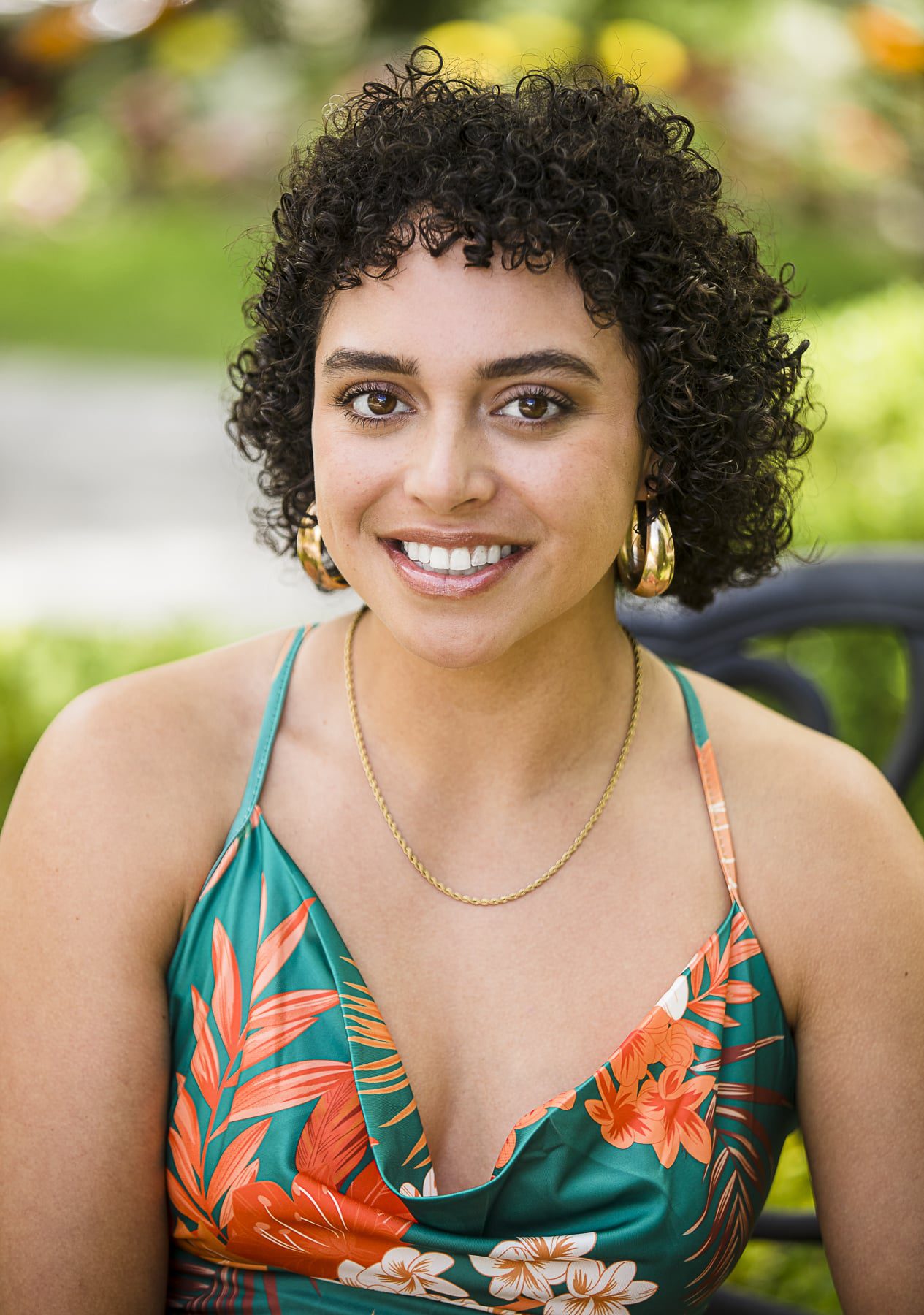
Nancy Drozdek wanted a way to fight urban heat without getting lost in red tape, so she founded Breathe 4 Trees, a West Side nonprofit planting shade and community at the same time. Amelia Afa Aikiona, raised between Hawaii and the West Side, created an Indigenous-led co-op for storytelling and for growing plants native to Oceania in the West Side. We need trees not only to cool our streets, but to deepen our relationship with our land. Green spaces help us heal, gather, and connect. As Afa says, “When you don’t belong, you belong to money.”
Let’s be honest: the air we breathe carries a weight we can feel. Here on the West Side—held between highways and the airport—our sky fills with more than clouds. Exhaust, chemicals, and dust from drying lakes and from the deepest open-pit mine on Earth settle into the places where we live, work, and raise our children.
Polluted air moves through our days, causing coughs and keeping many kids home from school. Our region is among the worst in the country for dirty air—both ozone and fine particles. And as summers get hotter and drier, more wildfires send smoke our way, threatening the small improvements that have been made. Our community feels it in our lungs. Asthma is common, especially among families who already carry the heaviest burdens. Breathing has become its own reminder of injustice.
And yet, we still find joy outside. We fire up the grill for weekend barbecues, play late night pickleball, cheer at football games, and sway to boleros as the sun goes down. We just don’t have a lot of choices. Highways keep growing around us, and the inland port rises at our doorstep. We have been told to rely on public transit or buy expensive energy solutions, but these ideas don’t match the reality of our daily lives.
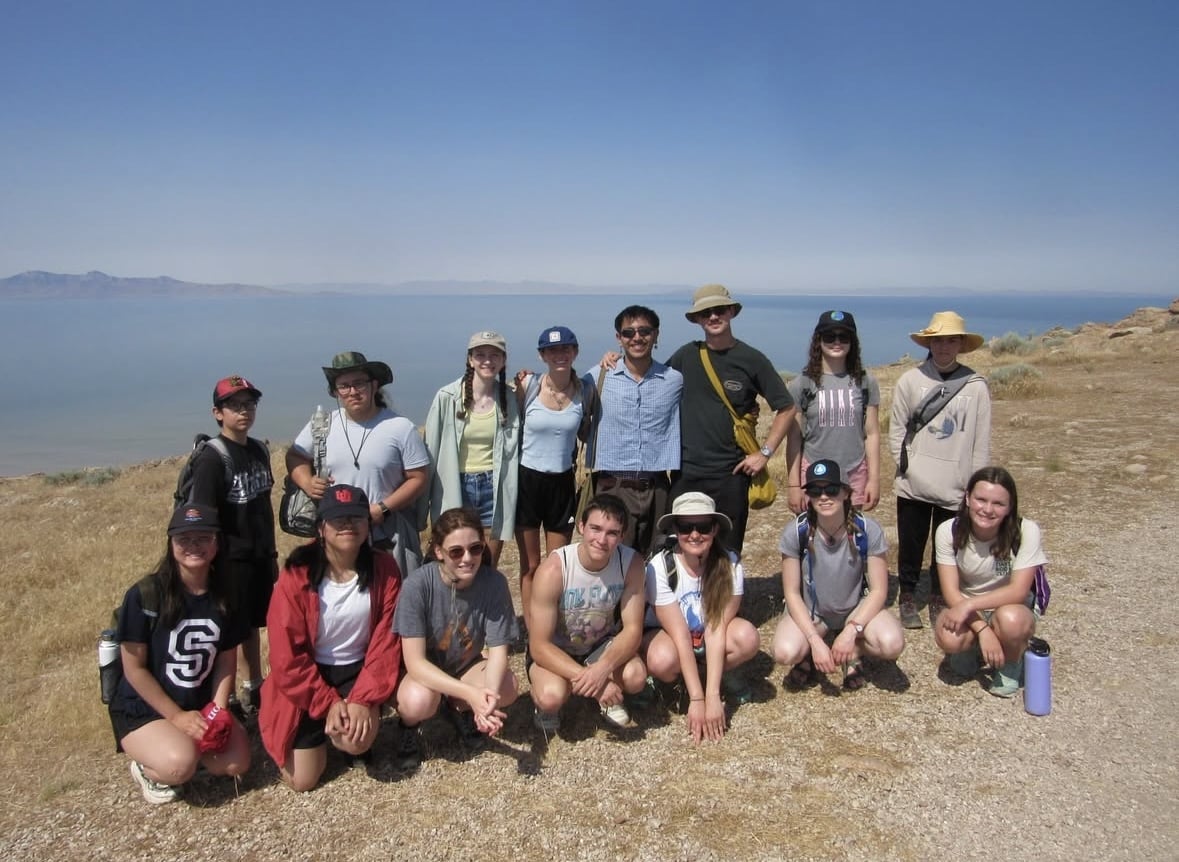
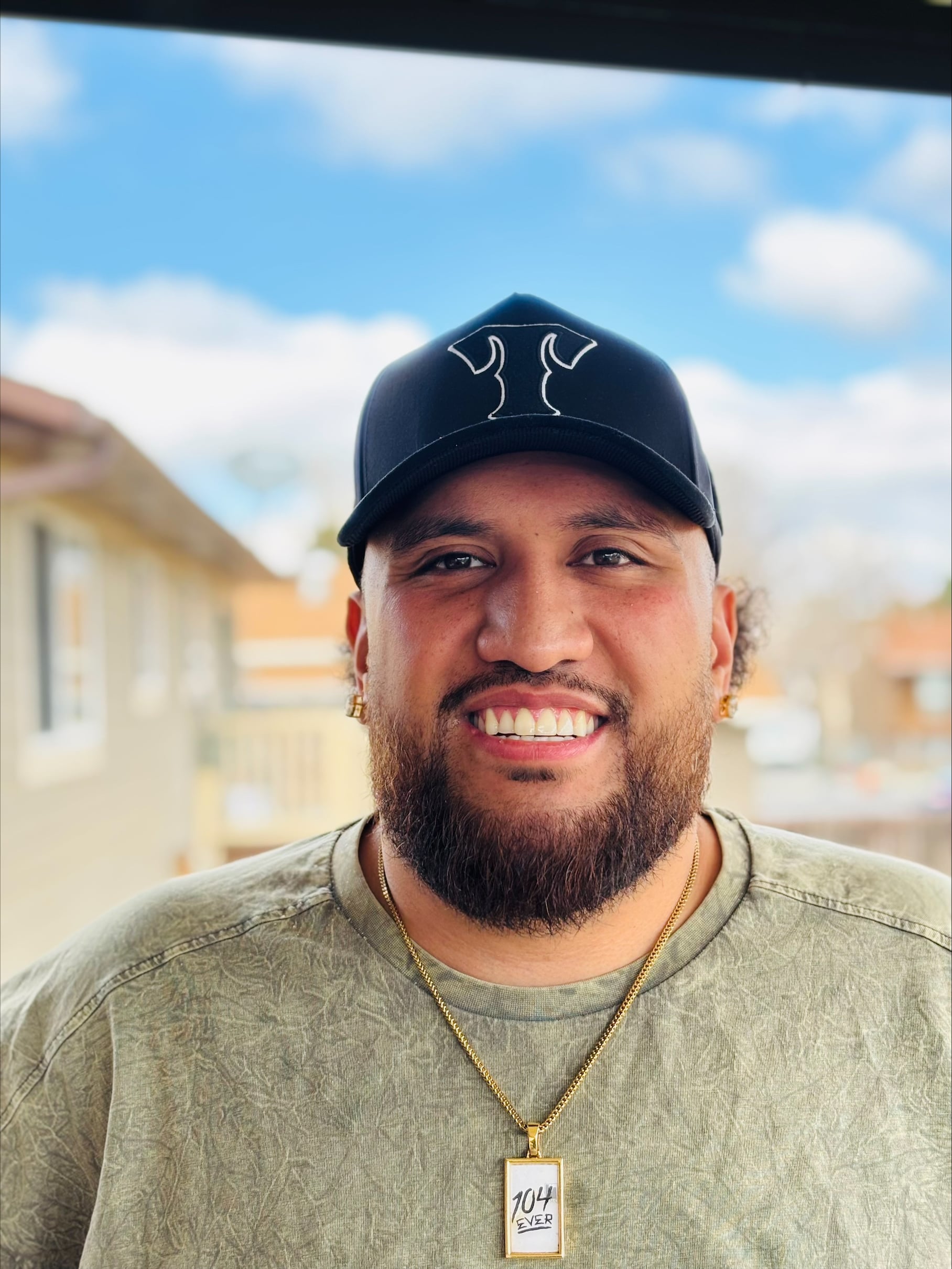
We also didn’t create these problems, and we shouldn’t be left to solve them alone. All we can do is keep supporting one another and keep speaking up until our voices carry. Alan Gutierrez of Utah Youth Environmental Solutions understands this deeply. He is helping West Side youth raise their voices—about the Great Salt Lake, about the air we breathe, and about the environmental justice our community deserves.
Home is home—our refuge, our shelter. But not all homes protect us. Many of us live in older places, where the breeze sneaks through window cracks and door gaps, carrying outdoor pollution right into our living rooms. And still, we leave our doors open for neighbors, because that’s what we do.
Most of us cook on gas stoves, feeding our families with love and tradition, never knowing those blue flames release pollutants that build up indoors unless we ventilate. Some of us even leave our ranges on for a little extra warmth, not realizing we are filling the room with things we shouldn’t breathe. Meanwhile, our walls radiate a different kind of heat— the warmth of handwoven memories, baskets, and colorful rugs, threading the pieces of our daily lives together.
Lately, we’ve noticed more of our kids reaching for inhalers. More children wheezing after playtime, stopping to catch their breath instead of running freely. We worry about asthma creeping into our homes, and few of us realize that gas stoves might be part of the reason—triggering attacks and contributing to long-term health problems.
But there’s hope. We can still cook the flavors we love while protecting the people we love. Simply opening windows and doors while cooking is a free, effective way to clear the air. Other tools—like air purifiers and induction cooktops—can also help keep our homes cleaner and safer. Cost can be a hurdle, of course—budgets are tight and priorities are real. Still, people who’ve made the switch to induction say tortillas crisp up beautifully, even without a flame under the pan.
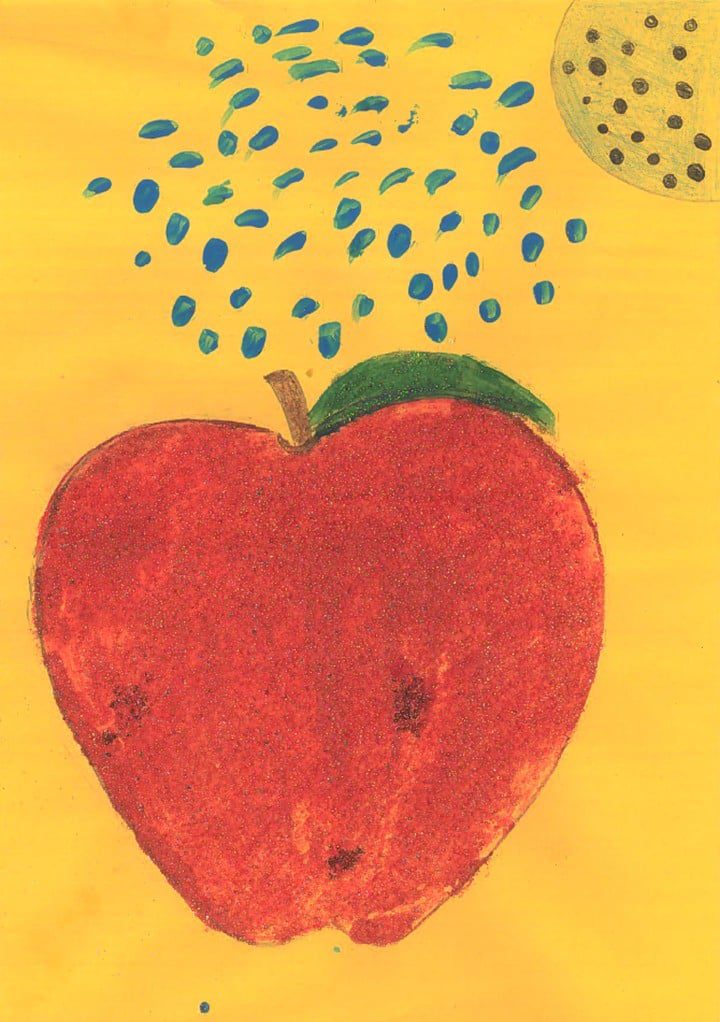
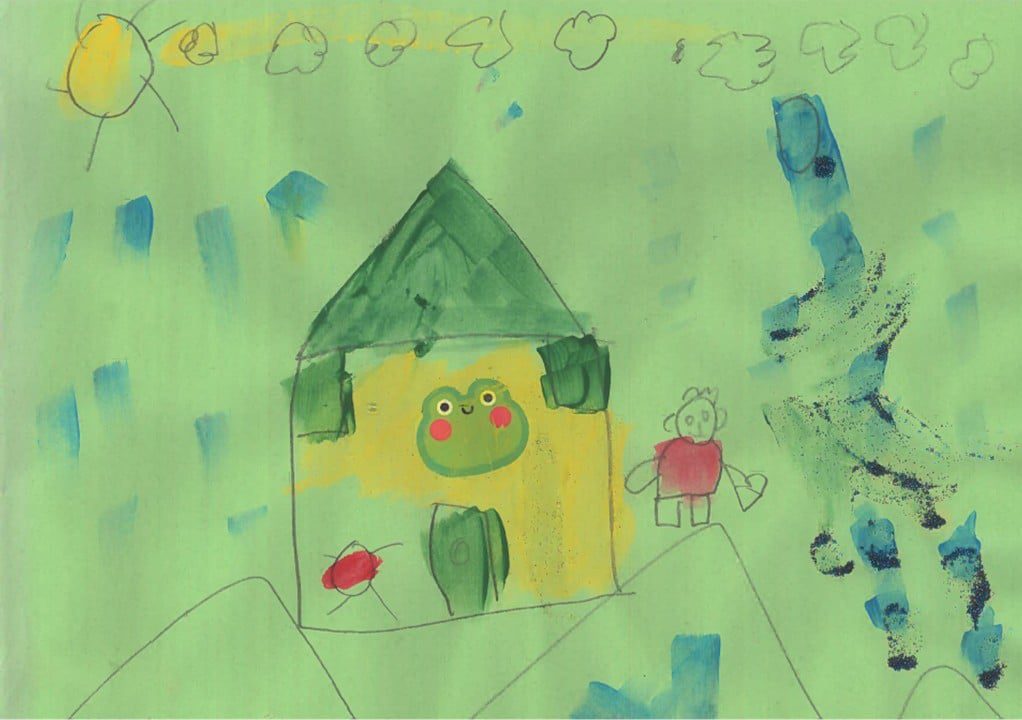
Drawings created by youth from the Hartland Youth Center’s after‑school program (University Neighborhood Partners), under the leadership of Rachel Lam. January 2026.
Our Stories
Planting Today for a Healthier Tomorrow
Courage is stepping into spaces that never picked you first
Wealth is a measure of what you give, not what you accumulate
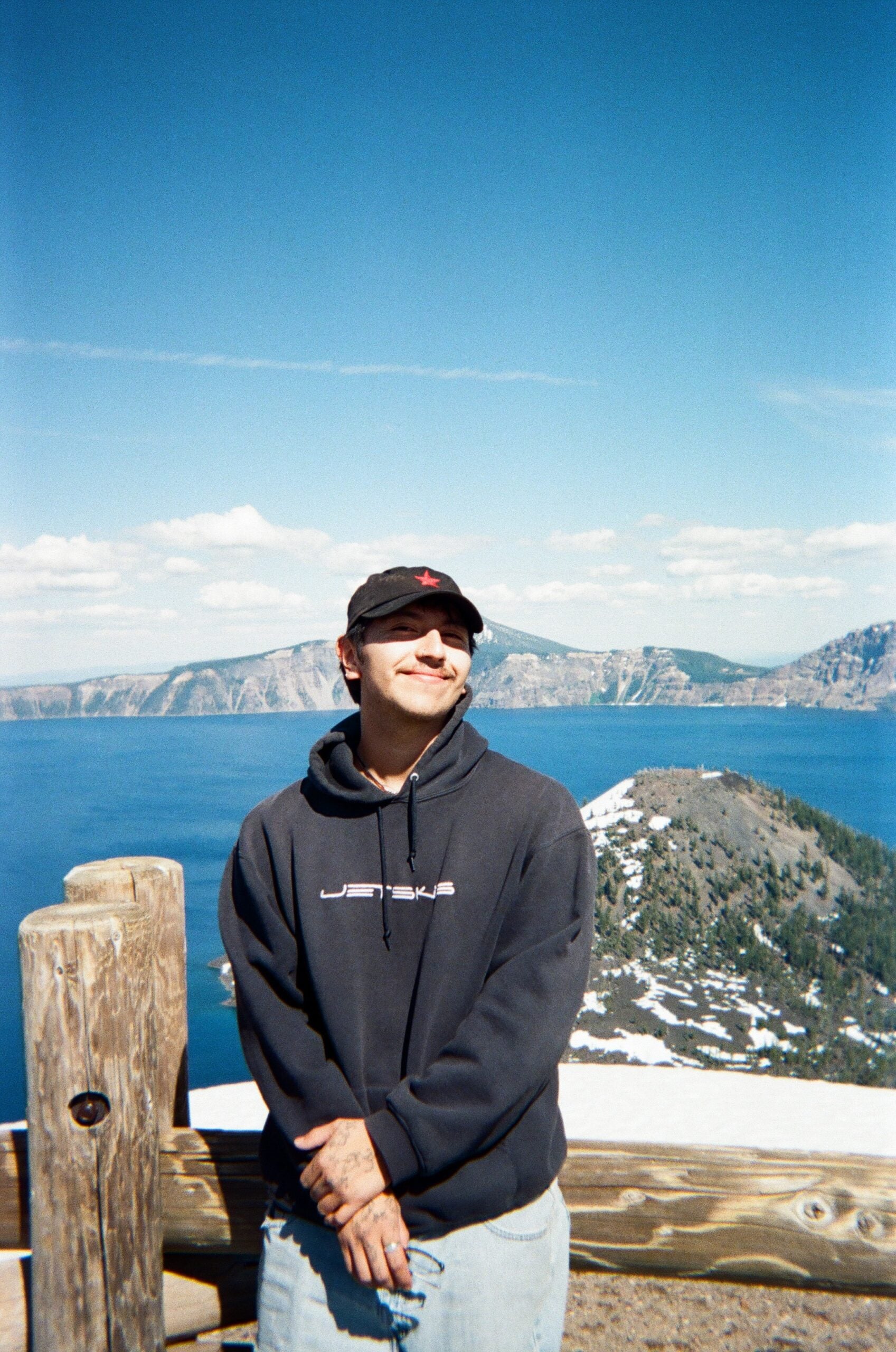
Jean Mendieta and Evelyn Cervantes, Proyecto Xilonen
Food is for the soul and not for the belly alone
Who’s the EJRC?
The West Side of Salt Lake is taking a stand for a healthier future.
The West Side of Salt Lake is taking a stand for a healthier future. We are excited to share the creation of the Environmental Justice Resident Committee, a partnership between Salt Lake City’s Sustainability Department, University Neighborhood Partners, and residents of the West Side/Best Side. Through the support of an EPA Climate Pollution Reduction Grant we came together to address the challenges of climate change that continue to unequally affect West Side communities.
We believe in the power of collaborative partnerships, sharing community resources and centering the unique voices of Fairpark, Glendale, Jordan Meadows, Poplar Grove, Rose Park, Westpointe, as well as West Valley. As our lived experiences are diverse, we will continue to speak up and share our cultural histories. Histories that have long nurtured a relationship of cultivation and reciprocity with Mother Earth.
Environmental Justice is vital for our communities to not only live, but to thrive. A part of the work we wanted to focus on as a resident committee is to share practical ways West Side communities can begin to embrace environmental solutions/action in their everyday lives. Although the journey ahead will have its challenges, we are encouraged by the pathways created – where people of all cultures, races, ethnicities, and socioeconomic backgrounds can have greater protection from environmental and health hazards. In addition, those with the least access are not only included but are empowered to take action.
In our time learning together, the Environmental Justice Resident Committee will:
Develop community-led projects that improve our environment.
Inform institutions on equitable solutions to climate change that actually benefit our neighborhoods.
Forge lasting partnerships for a healthier environment, a resilient community, and a better quality of life for all on the West Side.